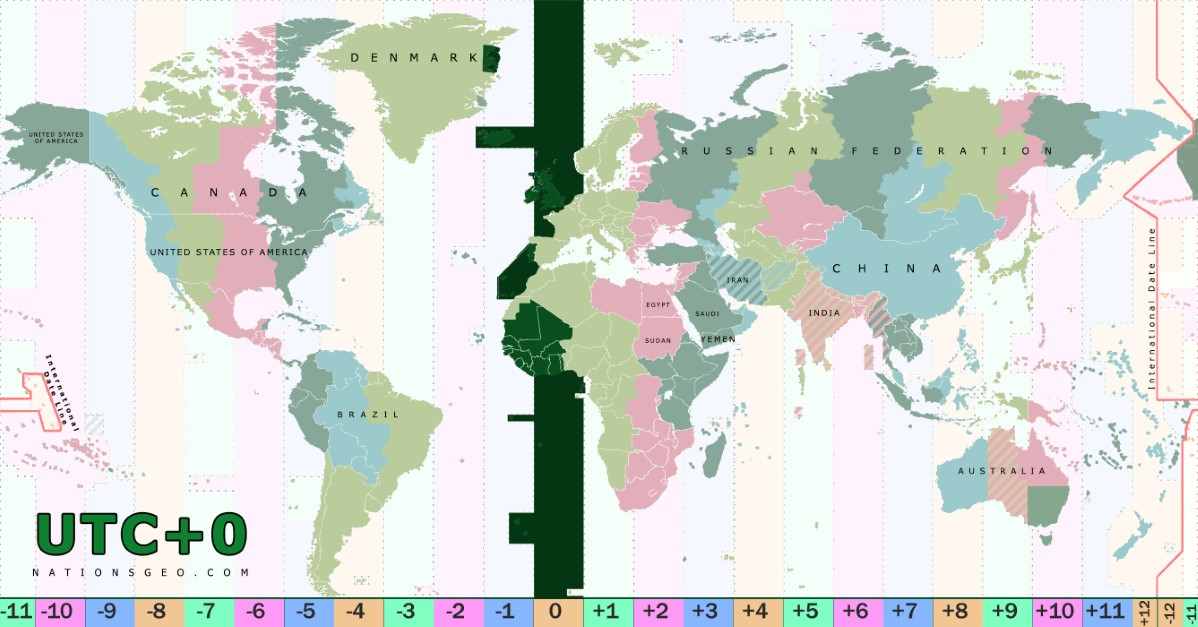
UTC Now continues to be one of the most essential timekeeping standards used across the world. Whether someone is scheduling meetings, UTC Time Now maintains a central purpose in ensuring precise worldwide scheduling. Nowadays, international organizations rely on UTC Now regularly to synchronize systems. As international communication expands, the value of UTC Now keeps growing.
UTC Now stands for Coordinated Universal Time, which remains the official time reference used globally. Instead of depending on local time, UTC Time Now never shifts because of daylight saving adjustments or regional political decisions. As a result, UTC Time maintains a consistent foundation for financial institutions to communicate effectively. Without relying on UTC Time, digital infrastructures could experience problems.
Developers monitoring UTC Now usually want instant UTC clock access. One major reason is cloud systems store timestamps in UTC. For example, web hosting companies use UTC Time to coordinate activities across international markets. Digital communication systems regularly synchronize with UTC Time Now behind the scenes.
One important feature of UTC Time Now is its reliability. Since global organizations depend on the same time reference, coordination improves. Visualize trying to organize a global webinar between participants in America without relying on UTC Time Now. Miscommunication could easily occur. Fortunately, UTC Time solves this problem.
UTC Now has significant value in the software development sector. Online applications continuously process server activity through UTC standards. This allows developers and engineers to analyze logs accurately. When companies manage international infrastructure, UTC Time Now serves as the ideal standard.
Another significant factor of UTC Time is its role in aviation. Flight control systems depend heavily on UTC Now to avoid timing conflicts. Due to worldwide aviation coordination, relying solely on domestic schedules might cause scheduling problems. As a result, UTC Time Now continues to be widely trusted in aviation systems.
International banking systems consistently monitor UTC Now. Accurate timestamps are essential in digital asset exchanges. Synchronization problems can cause data inconsistencies. As a result, financial institutions and brokers use UTC standards to maintain accuracy.
Remote professionals look up UTC Time Now every day to schedule projects. Remote work has expanded significantly in recent years, which makes global time coordination. Rather than guessing timezone offsets, teams can access UTC Time for accurate scheduling.
One additional factor explaining why UTC Time is widely searched is the popularity of international communication. Websites and applications widely support international scheduling features. Teams can efficiently synchronize global operations with UTC references.
Understanding UTC Now is relatively simple. After users learn the concept of timezone differences, global scheduling becomes easier. In practical situations, London often uses UTC+0 during winter. Understanding these timezone relationships creates accurate communication.
UTC Time continues to matter in online infrastructure analysis. IT investigators carefully monitor UTC timestamps in logs. As international networks remain interconnected, following UTC records helps investigations. This highlights how essential UTC Time has become.
As technology continues to evolve, UTC Time Now will keep supporting global systems. Advanced digital systems will still require precise UTC tracking. Whether developers are monitoring systems, UTC Time provides a trusted foundation.
{The increasing relevance of UTC Time becomes even clearer in international education. Educational institutions and remote teams commonly schedule global learning sessions across international time zones. Without a universal time standard, global coordination would become difficult. As a result, UTC Time Now remains valuable for global communication networks.
An important benefit why UTC Now continues growing in popularity is its consistent structure. Instead of depending on national schedules, UTC Time Now operates independently. This turns UTC Now an ideal solution for developers managing worldwide operations. The consistency and precision of UTC Time Now continue to increase its importance.
People often search for UTC Time to track global activities. Confusion between local time zones could disrupt important operations. This matters greatly in remote work systems. Through the use of UTC Time, users can avoid confusion.
The worldwide technology ecosystem frequently synchronizes through UTC Time. Nearly all cloud-based services depends UTC Time on accurate time records. Cloud infrastructures require universal coordination to function correctly. As digital communication becomes more advanced, UTC Time plays a central role of international communication networks.
Travelers and tourists commonly use UTC Now when coordinating transportation. Global tourism schedules and transportation systems require synchronization across regions. Without accurate international timing, coordination problems could increase. As a result, UTC Time Now continues to grow in importance.
Within modern programming environments, UTC Now serves as the primary synchronization method. Developers depend on universal time coordination. This improves international compatibility across multiple devices and regions. The simplicity of universal time coordination helps prevent technical errors.
Online streamers often UTC Time use UTC Time Now for tournament coordination. International online communities require accurate timezone conversion. Sharing UTC Time Now information creates consistent scheduling. As online communities continue expanding globally, UTC Now supports accurate coordination.
Another important characteristic of UTC Time Now is that it supports accurate historical records. Governments and businesses commonly archive information in UTC. This prevents confusion in international records through global systems. Consistent UTC standards improves system reliability.
Across the digital era, UTC Time is more accessible than ever. Users can open websites to organize international schedules. Global meeting planner systems provide instant results when managing remote teams. As digital tools continue evolving, UTC Time Now will continue supporting worldwide coordination.
Businesses operating internationally depend heavily on UTC Time Now for scheduling operations. Deadlines, meetings, launches, and reports depend on coordinated timing. Without UTC standards, international communication might become inconsistent. As a result, UTC Time Now supports professional operations worldwide.
To conclude this discussion, UTC Time remains a critical part of modern communication in the worldwide communication ecosystem. Across remote work, online communication, and international business, UTC Time Now provides accuracy. As online collaboration grows every year, the demand for UTC Time will remain extremely strong.